Relocation Guide · Austin
Moving to Austin in 2026: What Nobody Tells You
July 8, 2026 · 7 min read
The Time Sphere may earn a commission from bookings and purchases made through links on this page, at no additional cost to you.
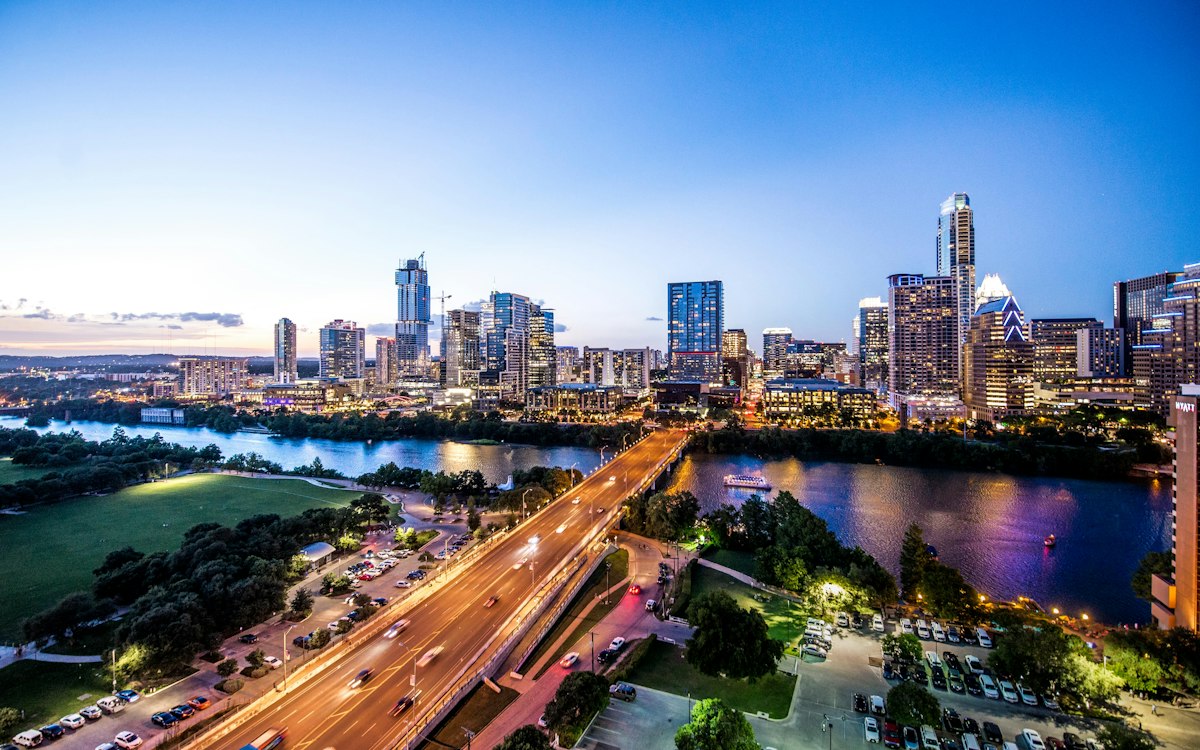
Austin has become the most talked-about relocation destination in the United States over the past five years. Tesla, Apple, Oracle, Google, and dozens of mid-size tech companies have opened significant offices here. The population has grown by hundreds of thousands since 2020. And the city's reputation for live music, outdoor lifestyle, and Texas values without Texas heat has made it one of the most desirable places to put down roots in the country.
The reality of moving to Austin in 2026 is more nuanced. Here is what the promotional materials leave out.
South Congress (SoCo) is Austin's most Instagrammed stretch — boutique shops, vintage clothing stores, food trucks, and bars spilling out onto a walkable strip that feels like Austin's identity in concentrated form. Living on or near SoCo puts you close to the action but at a premium; expect $1,800–$2,400 for a one-bedroom in a newer building.
East Austin underwent the city's most dramatic transformation. What was a historically working-class neighborhood is now dense with breweries, coffee shops, and cocktail bars. The original community has largely been displaced by rising costs, and the debate about that transformation is still very much alive. For newcomers, East Austin offers the most walkable, urban lifestyle the city has. Expect to pay $1,600–$2,200 for a one-bedroom.
Round Rock, just north of Austin proper, is the family suburb of choice. Excellent schools, newer housing stock, and lower costs than in-city neighborhoods make it popular with households relocating from expensive California metros. The commute to downtown Austin runs 25–45 minutes depending on traffic — which is to say, it varies dramatically.
Austin's tech sector is real and large. Tesla's Gigafactory employs thousands. Apple's $1 billion campus is operational. Dell has always been here. The result is a talent market that is more competitive than it was five years ago but still less saturated than San Francisco or Seattle. Mid-level software engineers, product managers, and data professionals find strong opportunity here, particularly in fintech, semiconductors, and clean energy.
Salaries have risen but still trail Bay Area compensation by 15–25%. The trade-off is a cost of living that is now only modestly cheaper than comparable California markets when you factor in housing inflation and the rapid increase in property taxes.
See our full Austin city profile for local time, neighborhoods, and current relocation resources.
Austin's highway infrastructure was designed for a much smaller city. I-35, the main artery through downtown, is one of the most congested roads in the country during peak hours. The Metro rail system exists but covers limited ground. If you live and work in the same neighborhood, Austin can feel like a small, bikeable city. If you commute across town, budget 45–75 minutes each way during rush hour.
The city is investing in transit expansion and highway widening, but construction timelines extend years. Plan your living situation around your work location before you sign a lease.
Austin operates on CST (UTC−6, UTC−5 in summer) — sitting right between the East and West Coasts, which makes it one of the best US cities for remote workers managing distributed teams. Check Austin's current time on The Time Sphere, and use Pro's Meeting Planner to find the overlap window that works for everyone from New York to San Francisco.
Austin's "Live Music Capital of the World" identity is earned. The 6th Street entertainment district, the Red River Cultural District, and dozens of venues from small club to amphitheater size provide nightly live music across every genre. South by Southwest (SXSW), held each March, draws thousands of artists, filmmakers, and tech executives for two weeks that genuinely transform the city's energy.
The music scene has commercialized but not died. If you are willing to explore beyond the tourist strip, Austin's live music culture is as vibrant as its reputation suggests.
If you are comparing Austin and Houston, the decision often comes down to lifestyle versus economics. Austin is more walkable, more urban in character, and has a stronger cultural identity per square mile. Houston is larger, more affordable, and has a more diverse and powerful economy. Both are Texas cities with no state income tax. Houston wins on value; Austin wins on lifestyle.
Austin in 2026 is not the bargain it was in 2018. Property taxes are high, rents have risen sharply, and the city is in the middle of a painful infrastructure reckoning. But the fundamentals remain strong: a booming tech economy, no state income tax, warm weather, and a cultural identity that draws talented, interesting people. If you go in with accurate expectations, Austin delivers.
Track meeting times with your Austin team from anywhere using The Time Sphere Pro — includes Meeting Planner, World Clock, and Time Zone Converter.